The Power of Presence: A Journey Through Birth Trauma Recovery

The First Thing I Had to Unlearn About Trauma-Informed Support
There’s a profound difference between being looked at and being truly seen, between having someone try to fix you and having someone simply witness your humanity. This distinction, learned through my own lived experience of personal post-traumatic stress disorder, postpartum depression and professional training, has shaped not only my recovery from a traumatic childbirth experience but also my entire approach to supporting women through their most vulnerable moments. This is a story about discovering that the most powerful medicine in birth trauma recovery isn’t advice, solutions, or platitudes; it’s our regulated presence. In my work providing trauma-informed perinatal care, I’ve found that our willingness to sit in the discomfort is what truly fosters healing.
Before I even did my trauma training and before I even did my counselling degree, I had learned about the power of just sitting and sharing the birth story free of judgement and without trying to fix, or save or provide any suggestion.
When I was on my own journey of recovering from a traumatic birth, I thought I needed someone to save me, to heal me, and I slowly discovered that what I truly needed was someone to truly see me, to hear my story, and sit in the dark with me, allowing me to simply be, whatever version of me showed up.
My Personal Journey: From Birth Trauma to Neuro-Affirming Insight
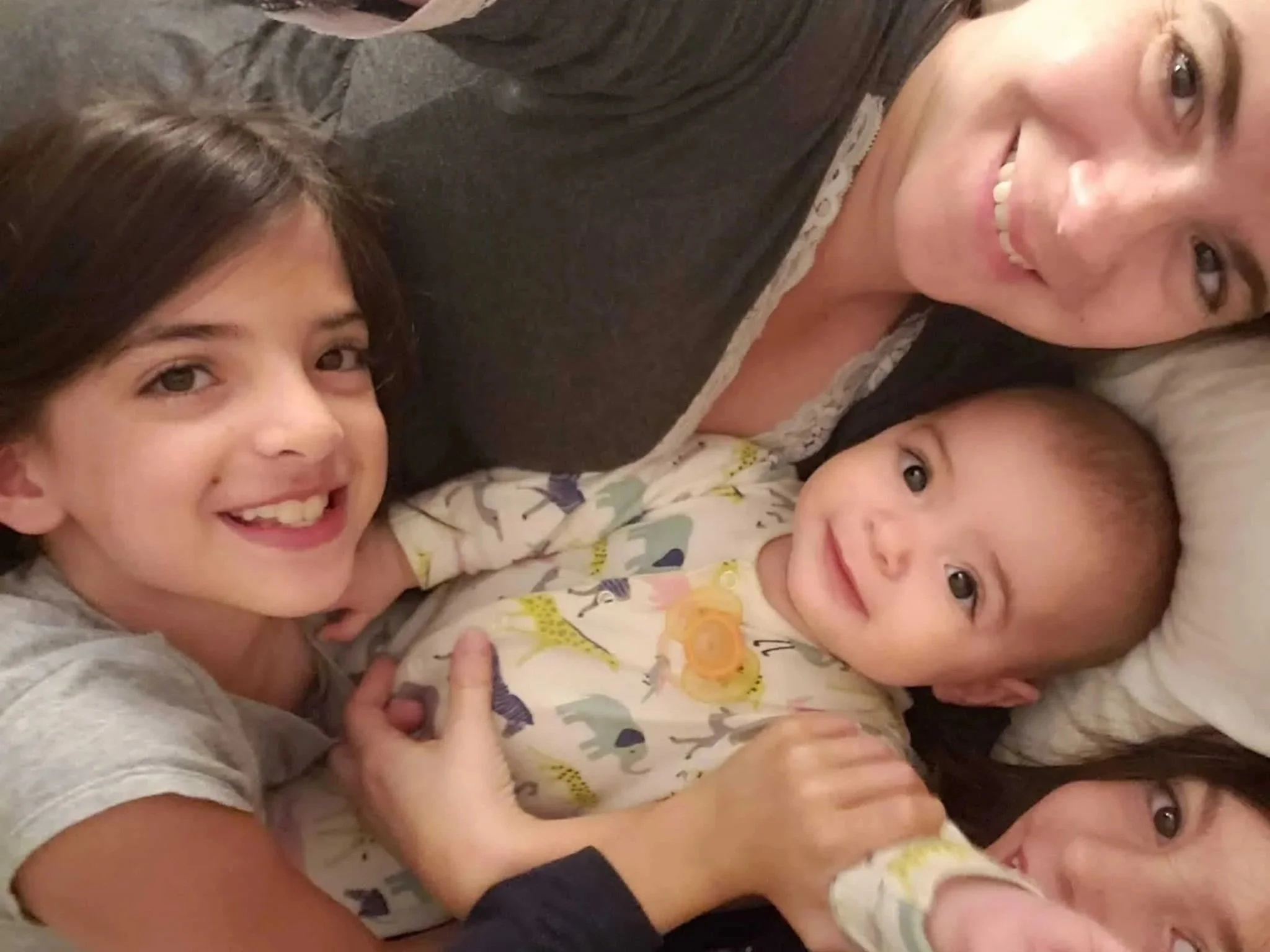
After the traumatic birth experience with my twin girls, I started a very long healing journey of recovery. I fondly remember the empathy and safety I felt in the presence of my counsellor, and I remember how, on some days, the only thing I did in our sessions together was simply to sit there and cry. She would just sit there, offering her presence, never suggesting anything else, never offering quick fixes, never trying to console me.
This is a memory that I keep with me, and that inspired me to pursue a career supporting other women's mental health through pregnancy, birth and the postpartum period. Her gift wasn’t in what she said, it was in what she didn’t say. In the space she held for my grief to exist exactly as it was.
"When I was on my own journey of recovering from a traumatic birth, I thought I needed someone to save me, to heal me, and I slowly discovered that what I truly needed was someone to truly see me, to hear my story, and sit in the dark with me, allowing me to simply be, whatever version of me showed up."
The Courage to Try Again
Fast forward a couple of years, and I got pregnant with my youngest. It took me so many years to finally feel even close to ready to have the courage to attempt giving birth again. I hired a Doula, which helped a lot, having someone who offered compassionate support and with whom I could share my anxieties and encourage me to advocate for myself. Back then, I considered the option of birthing at home, but no healthcare provider would take me because I had a severe postpartum haemorrhage that almost cost me my life. Throughout those pregnancy months, I fought battles within myself and kept on building the courage to attempt the birth that I so desperately wanted every time I was able to win against the demons within me.
Eventually, at 42 weeks, I had to go to the hospital. My body was nowhere near ready for the birth process. The internal battles had not been fully fought, yet I kept trying to win them for three days. I was coping well and kept on advocating for myself and pushing forward. I didn’t want to give up; I wanted my life-changing, redemptive birth. Eventually, I didn’t lose the battle; I just came to the realisation that I had no more strength to keep fighting, and I realised the birth as I had imagined it wasn’t going to happen, and I didn't want it to become a medical emergency, so I opted for a C-section.
The search for a home birth, the rejection due to my history, the 42 weeks of waiting, the mental health challenges, each step was an act of courage wrapped in terror.
The Moment of Recognition during my childbirth story
As I was being rolled into the surgical theatre, in distress, tears falling down my face, terrified, a kind hospital midwife looked into my eyes and said: “I know you are scared. I know what happened to you was scary, and I know you would do anything to not be here again. But please know we will do everything possible to keep you safe.”
She made me feel seen, and in that moment, I felt a huge weight lifted off my shoulders. I knew that I would have probably been able to give birth vaginally, because I felt my body relax and open for the first time in years.
Reclaiming Safety after a traumatic birth experience: My Body as Protector, Not Betrayer
Later on, I learned that my body was just doing what it needed to do to keep me safe. In the same circumstances as the original trauma experience, my body was preparing to protect me. My body wasn’t broken as I thought. I hadn’t failed. In fact, my body was absolutely amazing in protecting me.
This revelation came through years of searching, doula certification, perinatal mental health and trauma training, the rewind technique, counselling training, and eventually my AuDHD diagnosis. The diagnosis was the piece that finally made everything make sense. It transformed how I provide Neuro-inclusive birth support. It validated my intense way of being and explained my sensory sensitivities. But it also explained how I was so good at visualising patterns during birth, a trait of my neurodivergent parenting journey, and how I could pick up the subtle changes in the environment to better support others.
Each step added a new piece to the puzzle until finally, the picture became clear: in the systems we currently have in place, I was destined to struggle. The failure wasn’t mine; it was systemic.
Offering Compassionate and Regulated Presence in Perinatal Care
From this journey, I’ve distilled a simple yet profound truth for healing-centred, Neuro-inclusive support: the most healing tool you can offer is your own regulated nervous system. This is the cornerstone of trauma-informed perinatal care, offering empathy without the compulsion to fix.
These values have allowed me to be present in some of the most challenging moments in women’s lives. Like the moments I serve as an anchor to women when dissociating during her birth, or being a safe space to process the intense emotions during NICU stay or to providing guidance and understanding while navigating and integrating the grief that comes from stillbirth or when providing safety for someone to access the scariest parts of herself, or witnessing someone’s bravery and vulnerability without trying to diminish or redirect it.
The Evolution: From Saving to Reclaiming your birth story.
When I started this journey, I wanted to save others from a fate like mine. I wanted to protect women from pain and struggle. But I now understand that women don’t need to be saved.
They need to be reminded of their own power. They need to return to safety. They need their stories witnessed and held as they are, not rewritten, not minimised, not silver-lined.
The journey from trauma to transformation isn’t linear, and it isn’t about becoming “fixed” or “healed” in some final, complete way. It’s about learning to hold space, first for ourselves, then for others. It’s about understanding that our wounds can become wisdom, not through bypassing the pain but through honouring it.
Every woman who sits across from me for birth trauma recovery now receives what I once desperately needed: someone who trusts in her inherent wisdom. In a system that often treats birth as a problem, this neurodiversity-affirming approach is both radical and necessary.
The most revolutionary act we can offer in a world obsessed with fixing is simply this: to sit with another human being in their truth, to witness their story without editing it, and to trust that within them lies everything they need, they just need someone brave enough to sit with them while they remember.
“The most revolutionary act we can offer in a world obsessed with fixing is simply this: to sit with another human being in their truth.”
Finding Your Way Back to Safety after Psychological Birth Trauma
It is common for parents to feel a lot of pain or carry a heavy stressor after a childbirth-related event that didn’t go as planned. Whether you faced an emergency c-section, felt a lack of support from your medical team, or left the hospital feeling dismissed by healthcare professionals, these moments can deeply traumatise. Trauma often settles in the nervous system, and for many parents, it may manifest as psychological birth trauma or even posttraumatic stress disorder.
If you are experiencing symptoms of traumatic stress, please know that you are not alone, and it is important to seek the right mental health care. You may find it difficult to breastfeed, find your emotional wellbeing dipping, or feel that your ability to bond with your baby has been impacted—but this is a physiological response to the trauma, not a personal failure.
At this time, you may feel isolated, but finding someone you trust who understands similar experiences can make a big difference. Protecting your maternal mental health is the most vital step you can take for your child's health and your baby’s future. The right support can make the transition from surviving to thriving possible.
I am here to help you navigate the complexities of your journey. If you are ready to move toward a more neuro-affirming and trauma-informed recovery, I invite you to reach out.